relation-graph Examples
Welcome to the relation-graph example hub.
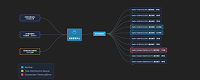
This is not a small set of isolated snippets. It is a structured, production-oriented catalog that shows how relation-graph scales from simple viewers to advanced interactive editors.
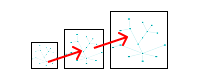
Across this catalog, you can explore 200+ professional examples organized into clear thematic groups. Some examples appear in multiple groups on purpose, so you can discover the same implementation from different problem angles: rendering, layout, interaction, editing, data flow, styling, export, and API control.
What You Can Learn Here
The examples are grouped to help you move from fundamentals to advanced system design:
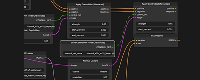
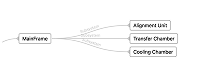
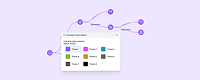
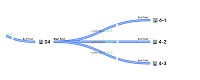
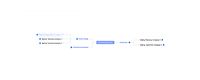
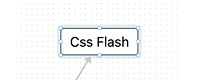
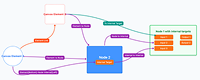
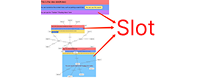
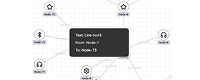
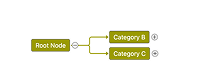
- Node + Line: Build visual language for nodes and connectors with slots, CSS skinning, labels, arrows, animation, and custom edge rendering.
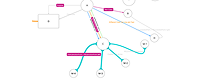
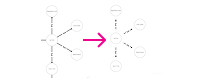
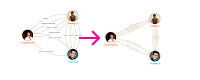
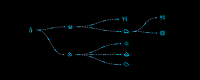
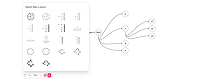
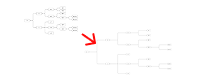
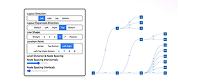
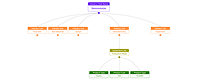
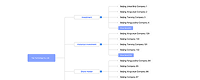
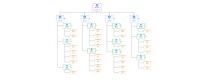
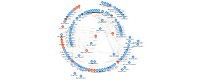
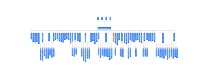
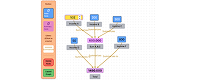
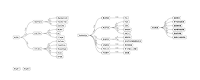
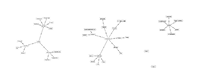
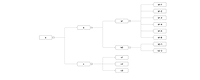
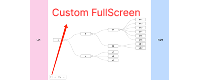
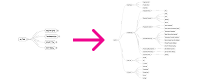
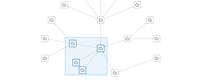
- Layouts: Compare tree, center, force, folder, and mixed layouts; tune spacing and routing; integrate external solvers like Dagre, Graphology ForceAtlas2, and D3 hierarchy layouts.
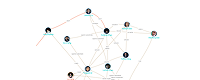
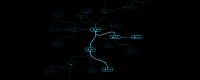
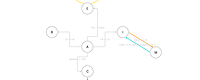
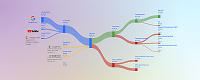
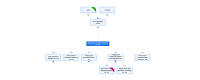
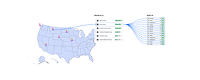
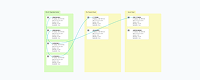
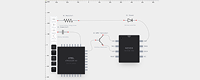
- Use Cases: Study realistic graph products such as corporate structures, investment exploration, industry chains, topology monitoring, and scenario-specific dashboards.
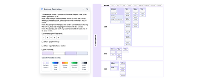
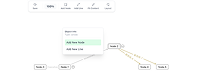
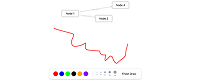
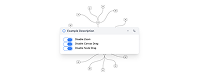
- Graphic Editing Suite: Move beyond read-only viewers into full editing workflows: create, connect, modify, align, resize, undo/redo, and advanced authoring patterns.
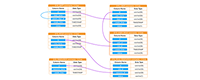
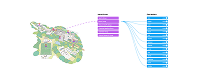
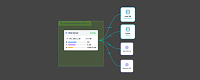
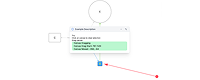
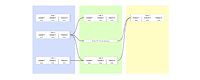
- Element Lines + UI Slots: Connect graph logic with regular HTML elements and map overlays, and compose custom toolbars and cross-layer UI.
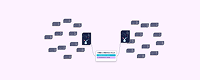
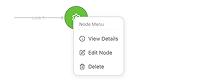
- Events, Interactions, and Runtime Control: Implement selection, hover/click highlighting, context menus, focus navigation, expand/collapse playback, and viewport operations.
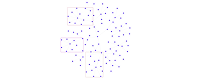
- Data Manipulation + Unconventional Data: Append in stages, lazy-load branches, reapply external data models, and handle disconnected or non-standard structures.
- Style, Animation, Effects + Image Export: Polish UX with themes and motion, then export full graphs, visible regions, and Base64 images with controlled output scope.
- Instance API: Learn provider-scoped instance control and framework-level extension patterns with custom graph core orchestration.
No matter where you begin, each example is a reusable implementation pattern, not just a visual demo. Pick one that matches your current challenge, run it, inspect the configuration and component structure, then adapt the pattern into your own graph workflow.